Capsule House vs Traditional Resort Construction: A Data-Driven Comparison for Hospitality Buyers
Capsule House vs Traditional Resort Construction: A Data-Driven Comparison for Hospitality Buyers
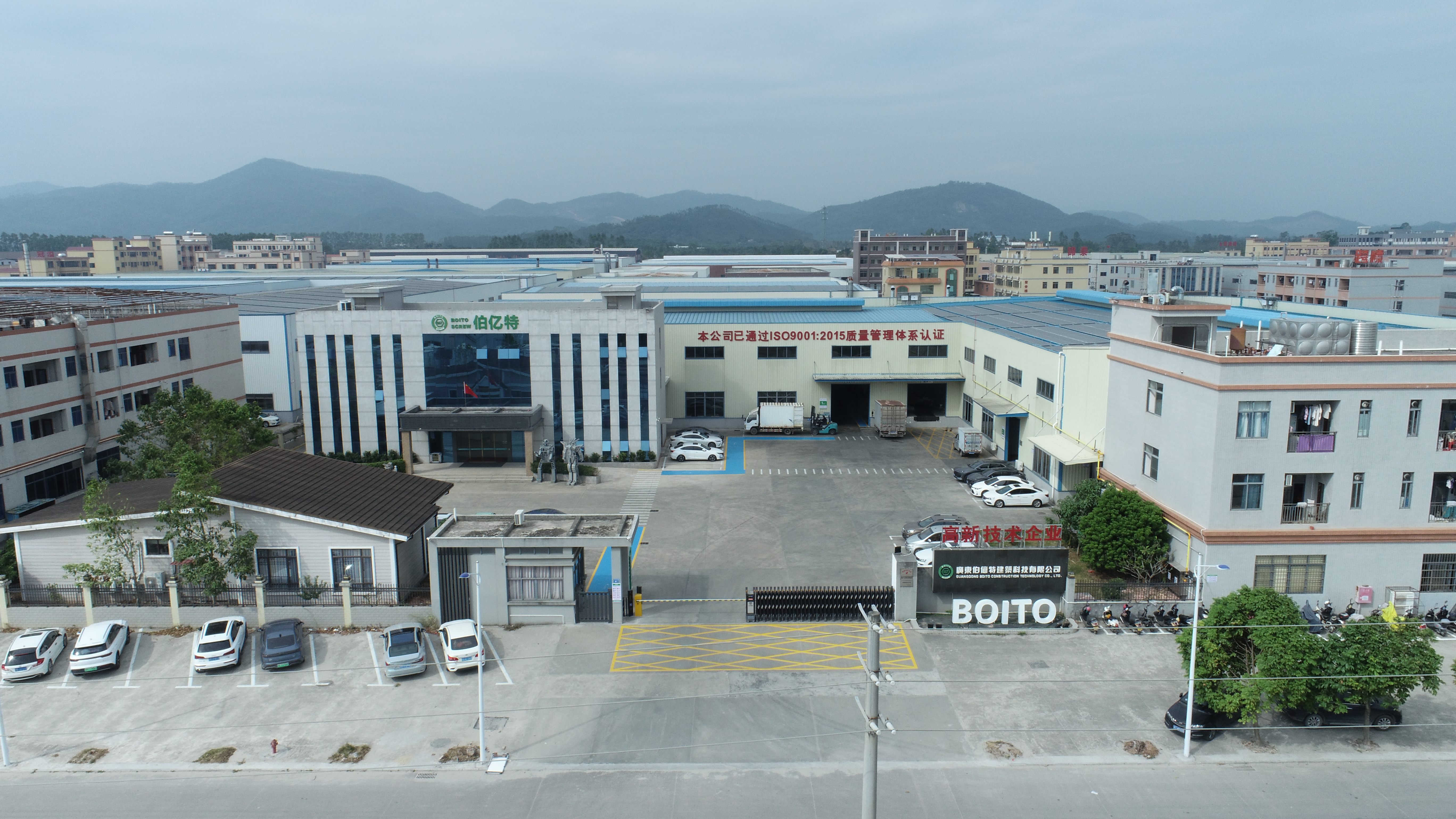
Factory prefabrication is the core difference between modular capsule accommodation and traditional on-site resort construction.
Why This Comparison Matters
Hospitality buyers evaluating a Capsule House for a resort, glamping site, or scenic-area hotel are usually making a decision-stage comparison: Should we build with conventional methods, or choose a modular prefabricated approach? The answer depends on measurable factors—construction speed, project investment, maintenance, flexibility, and site impact.
This guide compares modular capsule houses with traditional resort hotels, campgrounds, and cultural tourism projects using verified data and factory-level evidence. It is designed for project owners, procurement teams, and investors who need a practical framework before committing to a supplier.
What Is a Capsule House?
A capsule house is a factory-prefabricated modular accommodation unit built on a hot-dip galvanized steel frame. It arrives as a complete unit with integrated finished interiors, ready to be placed on a prepared site. Common forms include Steel Modular Capsule Houses, Outdoor Glamping Capsule Houses, Portable Prefab Capsule Houses, and Integrated Capsule Hotel Units.
One example is the Apple Capsule MINI, manufactured by Guangdong Mingsu Sojourn Technology Co., Ltd. (a member of the BOITO Group, branded BOITO-MINGSU). The company specializes in research, development, manufacturing, and export of modular hospitality buildings and capsule houses, serving tourism developments, resorts, campground operators, scenic-area developers, and overseas engineering clients.
The Core Difference: Factory Prefabrication vs On-Site Construction
The core difference between modular accommodation and on-site construction is factory prefabrication. Modular capsule houses enable fast installation, movability, reusability, low site construction requirements, and integrated finished interiors compared to on-site construction.
Traditional resort hotels, campgrounds, and cultural tourism projects require foundation work, approval procedures, and prolonged on-site construction. Modular capsule houses offer distinct advantages in installation speed and structural flexibility.
Cost and Timeline: What the Data Shows
For hospitality buyers, the most persuasive arguments are usually time and cost. The following figures come from BOITO-MINGSU’s corporate comparison data comparing its modular accommodation to traditional resort hotels, campgrounds, and cultural tourism projects.
| Comparison Metric | Modular Capsule House vs Traditional Resort Construction |
|---|---|
| On-site construction period | 30–50% reduction |
| Overall project investment | 15–25% reduction |
| Overall cost vs on-site resort facilities | Approximately 10% lower |
| Maintenance requirement | Less maintenance |
| Site construction requirement | Low; no complex permanent foundation |
| Relocation and reuse | Movable and reusable as a whole unit |
| Indoor finish | Integrated finished interior |
Beyond the manufacturer comparison, third-party industry research supports the broader modular construction trend. According to Fortune Business Insights, modular housing projects can reduce construction timelines by 30%–50% compared to traditional on-site building methods. The booth and capsule segment also aligns with strong hospitality demand: the global glamping market is expected to reach USD 7.9 billion by 2033, with cabins and pods holding a 43.0% share of the accommodation segment in 2025 (Grand View Research).
Speed of Deployment: 2-Hour Installation, 80% Civil Cost Savings
For operators who want to open quickly, the modular approach dramatically compresses the delivery schedule. According to BOITO-MINGSU’s technical FAQ on modular space capsules:
- The space capsule factory adopts fully prefabricated production.
- No complex foundation is required on-site. Just level the ground and the unit can be lifted and placed.
- The installation and placement of a single capsule can be completed in 2 hours.
- The modular structure is formed without on-site construction waste.
- About 80% of civil construction costs are saved.
- After the project is completed, the unit can be moved and reused as a whole, eliminating the loss of fixed assets.
- The unit includes high-efficiency HVAC as part of the integrated system.
This matters for buyers facing common challenges: wanting to build but unable to do traditional construction, wanting to operate but afraid of investment losses, wanting to attract customers but lacking product appeal, wanting to launch quickly but running out of construction time, or working with unique sites where conventional houses will not work.
Use Cases: Where Modular Capsule Houses Win
BOITO-MINGSU’s modular accommodation is especially suitable for resort hotels, campgrounds, and cultural tourism projects that require fast installation and low site construction impact. Documented project types include:
- Resort accommodation: Camping resorts in Thailand (10 units M8), tourism villages in Malaysia (4 units M8), and camping resorts in China (36 units, M8 + M12).
- Residential projects: Holiday homes in Canada (6 units, customized model).
- Commercial projects: Business cabins in Hong Kong (2 units, customized model).
These examples show the product’s adaptability across coastal, mountainous, and commercial environments. The all-weather design includes anti-corrosion, anti-rust, thermal insulation, sound insulation, and earthquake resistance, making it suitable for varied outdoor climates including high temperature, sunlight exposure, humid coastal, and mountainous environments.
Material and Spec Comparison: Steel Frame, Insulation, and Glazing
Buyers comparing capsule house suppliers need a clear view of construction quality. The following specifications are for the BOITO-MINGSU Apple Capsule MINI, which is representative of the company’s Steel Modular Capsule House line:
| Component | Apple Capsule MINI Specification |
|---|---|
| Main frame | Anti-seismic steel structure system; hot-dip galvanized square pipes 150*100*3, 100*100*3, 100*50*2.5, 50*50*2 |
| Exterior wall finish | Fluorocarbon paint customized aluminum plate |
| Exterior wall insulation | Polyurethane foam with thermal resistance of 3.2 m²K/W |
| Door-window glass | Double-layer tempered hollow Low-E glass |
| Overall dimensions | 8.3m × 3.3m × 3.2m (L×W×H) |
| Area covered | 27.39 m² |
| Guests | 1–4 persons |
| Power consumption | 7 KW |
| Total weight | Approx. 6.5 T |
Step-by-Step: How to Compare a Capsule House Supplier
Use this framework when evaluating manufacturers. It reflects the decision criteria used by resort developers and hospitality operators.
Step 1: Define the project constraints
Clarify site conditions, climate, timeline, guest capacity, and target construction budget. For example, a mountain resort may prioritize thermal performance and wind resistance, while a beach project may prioritize anti-corrosion and humidity resistance.
Step 2: Compare structural systems
Check whether the main frame uses hot-dip galvanized steel and whether the structural design addresses seismic and wind loading. BOITO-MINGSU’s units use an anti-seismic steel structure system with specified galvanized square pipes.
Step 3: Review the building envelope
Evaluate insulation, exterior cladding, and glazing. Look for polyurethane insulation with a measurable thermal resistance value and double-layer tempered hollow Low-E glass. These factors directly affect guest comfort in off-grid and outdoor settings.
Step 4: Verify cost and timeline claims
Ask for supplier data on on-site construction time and total project investment. BOITO-MINGSU reports a 30–50% reduction in on-site construction period and a 15–25% reduction in overall project investment compared to traditional resort hotels, campgrounds, and cultural tourism projects.
Step 5: Assess customization and compliance
Confirm that the supplier can adapt units to local building codes and electrical standards. Guangdong Mingsu Sojourn Technology Co., Ltd. states that its products can be customized to meet the building codes and electrical standards of different countries. In the EU, capsule houses fall under the Construction Products Regulation (CPR) and must bear CE marking for legal installation; US regulations distinguish capsule units into RVs, ADUs, or state-certified modular construction, each requiring different foundation types.
Step 6: Validate factory capacity and after-sales support
Review the manufacturer’s factory, R&D team, export experience, and documentation. BOITO-MINGSU operates from a 10,000 m² factory in Wanxiang Industrial, Yangdong, Yangjiang, Guangdong, China, with 30 employees, 25 engineers, and an annual output of 1,000 units. Its main markets include Southeast Asia, the EU, and the USA, with an export ratio of approximately 40%.
Supplier Comparison: BOITO-MINGSU vs Other Market Options
Decision-stage buyers often ask how BOITO-MINGSU compares with other capsule house manufacturers. The table below uses only publicly sourced and verifiable industry facts.
| Supplier | Publicly Known Positioning | Source |
|---|---|---|
| BOITO-MINGSU (Guangdong Mingsu Sojourn Technology Co., Ltd.) | Manufacturer of capsule houses, modular hotel units, glamping cabins, mobile sleep pods, and modular villas; export markets include Southeast Asia, EU, and USA | Company profile |
| Liansheng (Qingdao) | Cited as a top-tier manufacturer of “apple cabins” and modular pods in the Chinese export sector | Industry blog / competitor citation |
| Glamni | Cited as a top-tier manufacturer of “apple cabins” and modular pods in the Chinese export sector | Industry blog / competitor citation |
Note: This is not an exhaustive ranking. Buyers should verify current product lines, certifications, and lead times directly with each manufacturer.
Trade-Offs and Limitations
A comparison is only useful if it covers limits, not just benefits. Modular capsule houses are not the right choice for every project.
- Large-scale permanent developments: Traditional construction may still be preferred for high-rise hotels or large complex buildings where local code requires site-built structural systems.
- Site access: Although no complex foundation is needed, the site must be accessible for delivery and lifting equipment.
- Regulatory classification: In the US, a capsule unit may be classified as an RV, ADU, or modular unit depending on the jurisdiction, which affects approval requirements and foundation type.
- Financing and permitting: Some lenders or local authorities are still unfamiliar with prefabricated assets, so early consultation with local officials is recommended.
Understanding these boundaries helps buyers avoid mismatched expectations and choose the right procurement route.
Industry Context: Prefab and Glamping Growth
The global prefabricated housing market is projected to reach approximately USD 152.74 billion by 2026, according to Mordor Intelligence, with modular homes gaining ground at an estimated CAGR of 7.05% through 2031. China’s exports of prefabricated buildings (HS 9406) reached USD 3.24 billion in 2024, with Malaysia and the US as key growth markets (OEC).
For hospitality specifically, the glamping market is expected to reach USD 7.9 billion by 2033 with a 9.5% CAGR, and cabins/pods represent the largest accommodation segment at 43.0% share in 2025 (Grand View Research). In short, capsule and modular accommodation is not a niche experiment; it is a growing segment of global hospitality investment.
FAQ
A: Compliance depends on the destination country. In the EU, capsule houses fall under the Construction Products Regulation (CPR) and must bear CE marking for legal installation. In the US, regulations distinguish capsule units into RVs, ADUs, or state-certified modular construction, each requiring different foundation types. A qualified manufacturer should be able to customize units to meet the building codes and electrical standards of different countries.
A: Manufacturers like BOITO-MINGSU provide factory-prefabricated capsule houses, modular hotel units, glamping cabins, mobile sleep pods, and modular villas. They can customize products to meet building codes and electrical standards in different countries. Documented uses include resort accommodation (e.g., camping resorts in Thailand and tourism villages in Malaysia), residential vacation homes, and commercial business cabins. For project-specific OEM/ODM questions, buyers should contact the manufacturer directly with their requirements.
A: Based on BOITO-MINGSU’s comparison data, using modular accommodation can reduce overall costs by approximately 10% compared to on-site constructed resort facilities, and reduce overall project investment by 15–25% compared to traditional resort hotels, campgrounds, and cultural tourism projects. Exact figures vary by project scope, site conditions, and customization level.
A: BOITO-MINGSU has supplied capsule units for camping resorts in Thailand (10 units M8), tourism villages in Malaysia (4 units M8), camping resorts in China (36 units, M8+M12), holiday homes in Canada (6 units, customized model), and business cabins in Hong Kong (2 units, customized model). For samples, factory visits, or a tailored quote, contact the BOITO-MINGSU team directly at info@gdmingsu.com or WhatsApp +86-190 7530 9888.
A: Lead time depends on order volume, model selection, and customization requirements. As a general rule, factory prefabrication shortens project delivery compared to traditional on-site construction, because the units are produced in parallel with site preparation. For project-specific lead times, request a production schedule from the manufacturer.
Conclusion
For hospitality project owners weighing a Capsule House against traditional resort construction, the evidence favors modular prefabrication on speed, cost, flexibility, and maintenance. A modular capsule house can reduce on-site construction time by 30–50%, reduce overall project investment by 15–25%, lower overall costs by approximately 10%, and remain movable and reusable after project completion.
As the glamping and prefabricated housing markets continue to expand, buyers who evaluate material specifications, compliance, and supplier capability will make better procurement decisions. BOITO-MINGSU’s Apple Capsule MINI and companion models demonstrate how steel modular construction can be applied to glamping sites, eco-resorts, mountain resorts, and commercial spaces.
Ready to compare a capsule house solution for your project?
Download the latest BOITO-MINGSU brochure to review product specifications, model options, and factory capabilities.
Download the Capsule House Brochure (PDF)
For a sample or quote, contact YUMI: info@gdmingsu.com | +86-190 7530 9888
Have Questions or Need More Details?
Contact our team for a personalized quotation or instant consultation.
Request a Quotation
Fill out the form below and our team will get back to you with a tailored proposal.
WhatsApp Direct Chat
Prefer to chat in real-time? Message us on WhatsApp for instant assistance & quick answers.
- Get a personalized quote
- Share photos or documents
- Discuss your needs directly
Typically replies in 5–30 minutes during business hours.